Wood Floor Refinishing vs. Floor Replacement: How to Decide
People searching for wood floor refinishing often want to restore or improve their existing floors, and local contractors can help determine whether refinishing or replacing is best suited for their needs.
If you’re considering wood floor refinishing versus floor replacement, you’ve come to the right place. Property owners in the area often face this decision when looking to refresh their space without the hassle and expense of a full overhaul. Whether the existing flooring has minor scratches, dullness, or wear, understanding the differences can help determine the best approach for your home or business. Exploring options with local contractors who specialize in wood floor refinishing can reveal practical solutions that preserve your original flooring while restoring its natural beauty.
Deciding between refinishing and replacing your wood floors depends on several factors, including the condition of the existing surface and your long-term goals. Local service providers can assess the current state of your floors and advise on whether a refinishing job will suffice or if replacement might be necessary. This guide aims to help property owners weigh the benefits of each approach, emphasizing how expert refinishing services can often extend the life of existing floors and save money, making it easier to choose the right path for your space. Keep reading to learn more about how to make an informed decision that aligns with your needs.
- Lightly scratched or dull wood floors - local contractors can often restore the appearance through refinishing, offering a cost-effective alternative to full replacement.
- Minor damage or wear patterns - service providers can evaluate if sanding and refinishing will address surface imperfections without removing the entire floor.
- Older hardwood floors with intact structural integrity - local pros typically recommend refinishing to preserve the original material and update its look.
- Severe structural issues or deep damage - experts might advise replacing the flooring to ensure safety and long-term durability.
- Changing the floor’s color or finish - refinishing allows for customization without the need for a full replacement, handled efficiently by local service providers.
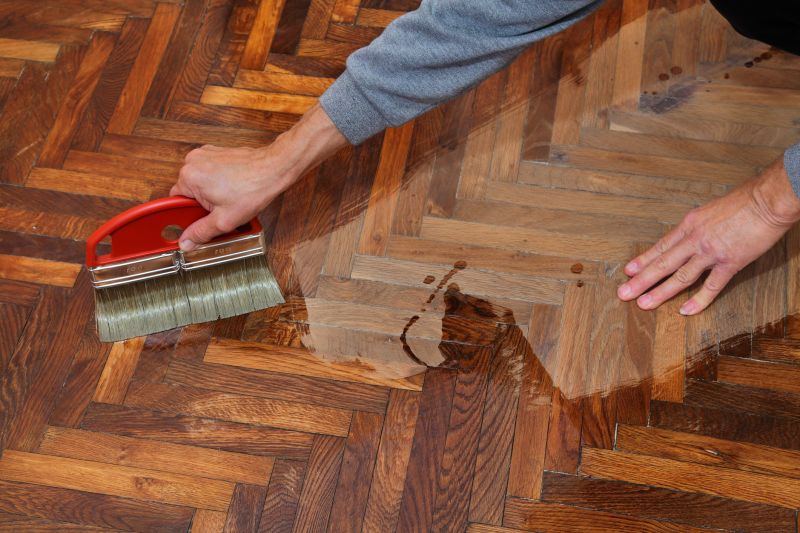
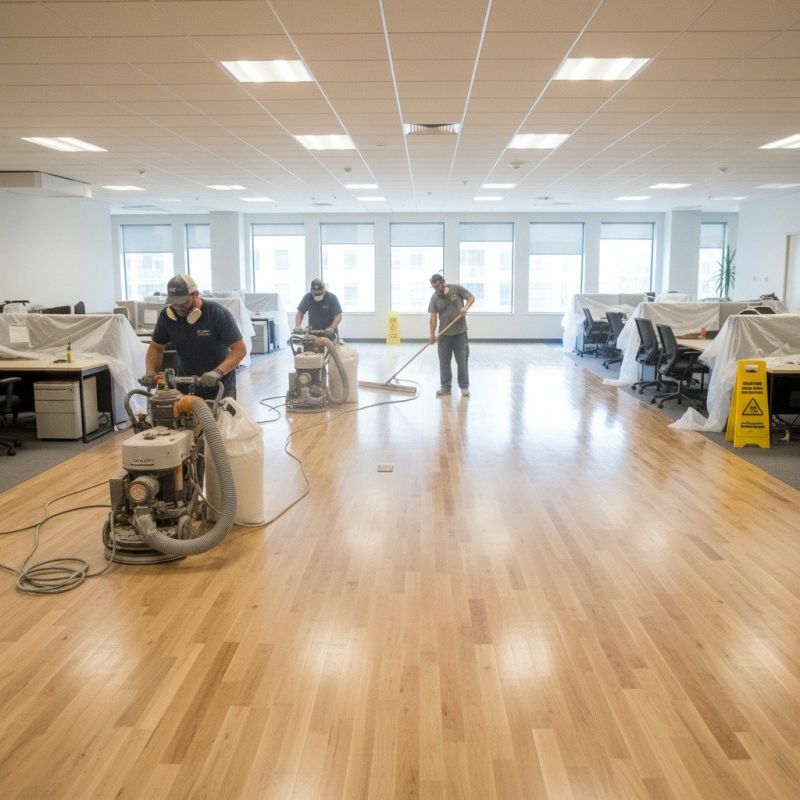
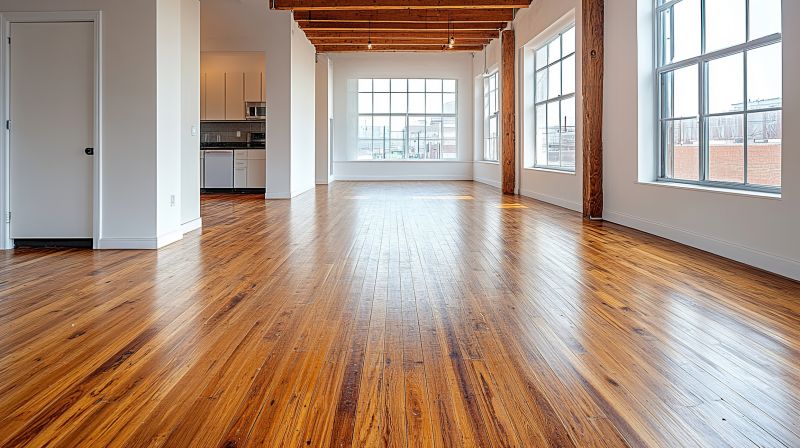
When homeowners search for information on wood floor refinishing versus floor replacement: how to decide, they are typically exploring options for restoring or upgrading their existing hardwood floors. Many are facing issues such as surface scratches, dull finishes, or minor damage that make their floors look worn or outdated. Others may be planning a renovation or preparing a property for sale, seeking to improve the appearance and value of their space. This topic often relates to projects where the goal is to refresh the look of a home’s interior, especially in living rooms, dining areas, or hallways, without undertaking a full-scale replacement. Understanding what each option involves helps homeowners determine whether refinishing can meet their needs or if replacement is necessary for a more significant transformation.
Problems that lead homeowners to consider wood floor refinishing or replacement usually involve surface damage, wear and tear, or aesthetic concerns. For example, floors with deep gouges, large stains, or warped planks may seem beyond simple refinishing. Conversely, floors with superficial scratches, dull finishes, or minor discoloration are often candidates for refinishing services. Plans may also include preparing a property for sale, where a fresh, well-maintained appearance can make a difference. The decision process often hinges on assessing the extent of damage, the age of the flooring, and the desired final look. Local contractors who specialize in wood floor services can evaluate these factors and recommend the most suitable approach based on the specific condition of the floors.
The types of properties that typically come into play when considering wood floor refinishing versus floor replacement include residential homes, apartments, and sometimes small commercial spaces. In residential settings, these projects are common in older houses with original hardwoods or in newer homes where homeowners want to update the interior. Apartments and condos often feature hardwood floors that may need refinishing due to high foot traffic or aging finishes. Commercial properties, such as retail stores or offices, might also require refinishing to maintain a professional appearance. Local service providers are experienced in handling different property types and can advise on the best course of action based on the property’s size, usage, and flooring condition.
Choosing between refinishing and replacement ultimately depends on the specific circumstances of each project. Refinishing is generally suitable for floors that are structurally sound but show surface-level signs of wear. It involves sanding down the existing finish and applying a new coat, which can restore the floor’s original beauty at a lower cost and with less disruption. Replacement, on the other hand, may be necessary when the flooring material is severely damaged, warped, or outdated beyond the scope of refinishing. Local contractors can provide assessments and guidance to help homeowners make an informed decision, ensuring the chosen approach aligns with their goals for appearance, durability, and long-term value.
Floor sanding and polishing - this process involves preparing and restoring wood surfaces, closely related to wood floor refinishing services and relevant when evaluating whether to refinish or replace flooring.
Subfloor repair and leveling - ensuring a stable and even foundation for flooring is a key step in both refinishing and replacement projects, requiring similar planning and tools.
Flooring installation - installing new hardwood or other types of flooring connects with the decision-making process of whether to refinish existing surfaces or opt for replacement.
Surface preparation and cleaning - preparing floors for refinishing or replacement involves similar surface cleaning and prep techniques to ensure quality results.
Damage assessment and repair - identifying and fixing issues like rot or deep scratches is crucial in both refinishing and replacement projects, often handled by the same types of local contractors.
Wood floor staining and finishing - applying stain or protective coatings is a common step in refinishing that can influence the choice between refinishing and replacing flooring.
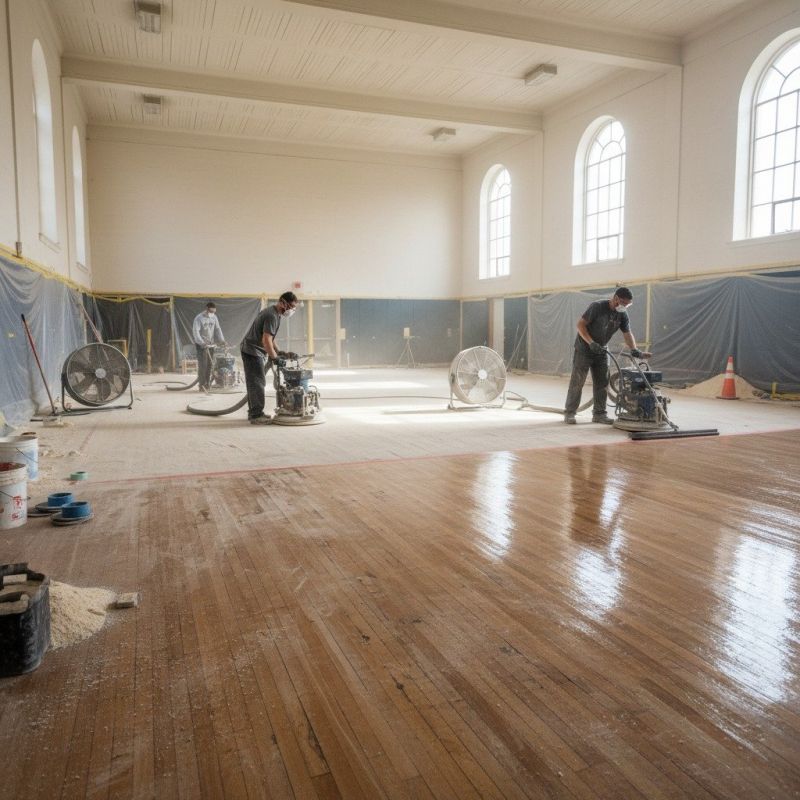
When comparing local contractors for wood floor refinishing services, it is important to consider their experience with similar projects. Homeowners should seek out service providers who have a proven track record of successfully refinishing floors comparable in age, material, or condition to their own. An experienced contractor will be familiar with different types of wood and finishes, which can help ensure the final result meets expectations and minimizes the risk of issues such as uneven surfaces or damage. Asking for examples of past work or references related to refinishing projects similar in scope can provide insight into their expertise and the quality of their craftsmanship.
Clear, written expectations are essential when evaluating local contractors for wood floor refinishing. A reputable service provider should be able to provide a detailed explanation of the process, including preparation, sanding, staining, and sealing. This helps homeowners understand what will be done and how the work will impact their daily routine. Additionally, clear communication about the scope of work can prevent misunderstandings and ensure that both parties are aligned on the desired outcome. Homeowners should feel comfortable asking questions and requesting written estimates or project descriptions to establish transparency and confidence in the contractor’s approach.
Reputable references and good communication are key factors in choosing the right local pros for wood floor refinishing services. Service providers who can offer references from previous clients demonstrate transparency and confidence in their work. Listening to feedback from past customers can reveal insights about the contractor’s professionalism, attention to detail, and ability to complete projects on time. Furthermore, good communication throughout the process-from initial consultation to project completion-helps ensure that homeowners’ concerns are addressed and expectations are managed effectively. Selecting a contractor who prioritizes clear, ongoing communication can contribute to a smoother experience and a successful refinishing project.
Property owners often search for wood floor refinishing vs. floor replacement: how to decide when they are planning practical projects around their homes and businesses. Local pros provide Wood Floor Refinishing services for everyday jobs and straightforward project options.
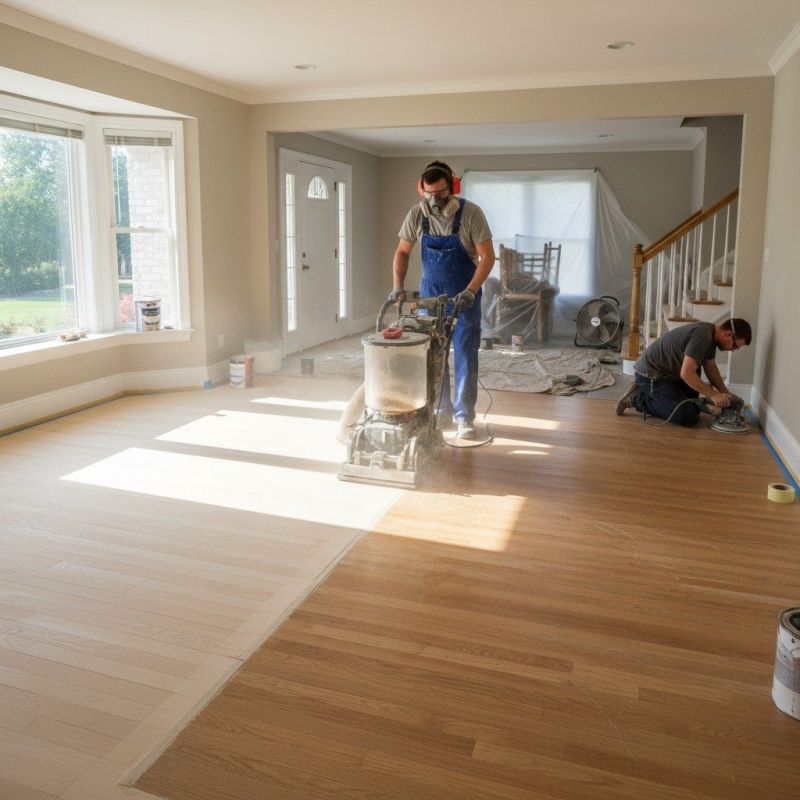
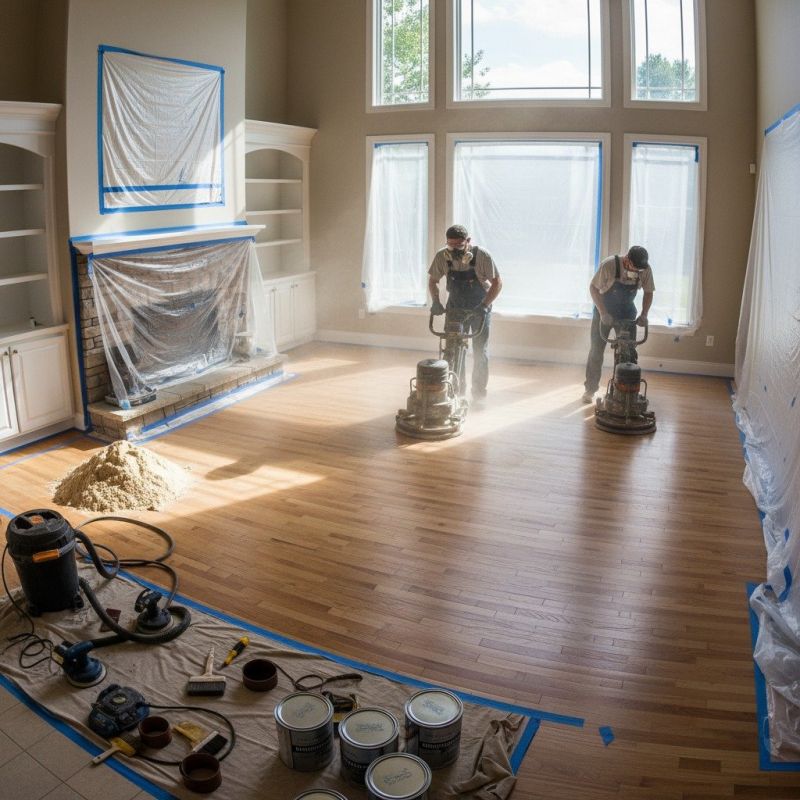
When homeowners are weighing wood floor refinishing versus floor replacement, they often consider the condition of their existing floors and the scope of damage or wear. For those with hardwood floors that have minor scratches, dullness, or surface imperfections, wood floor refinishing can be a practical way to restore their appearance without the need for full replacement. Local contractors who specialize in refinishing can assess the current state of the floors and recommend whether a simple sanding and sealing process will suffice, saving time and preserving the original character of the space.
On the other hand, property owners facing extensive damage, deep gouges, or warped boards might lean toward floor replacement. If refinishing can’t adequately address underlying issues or if the floors are outdated and no longer match the desired aesthetic, local service providers can help determine if a full replacement is more appropriate. They can also advise on options that align with the homeowner’s style and functional needs, making the decision process clearer and ensuring the new flooring meets expectations.
When should I consider wood floor refinishing instead of replacing the entire floor? If the existing wood flooring is structurally sound and only shows surface wear or minor damage, wood floor refinishing by local contractors can restore its appearance. Replacing the floor may be necessary if there are deep damages, warped boards, or extensive structural issues that refinishing cannot address.
How can local service providers help determine whether refinishing or replacement is better? Local contractors can assess the condition of the current flooring, including the depth of scratches, stains, and damage, to advise whether refinishing will achieve the desired look or if replacement is needed for a fresh start.
What are the main differences between refinishing and replacing a wood floor? Refinishing involves sanding down the surface and applying a new finish to improve appearance, while replacing involves removing damaged boards and installing new flooring. Local pros can evaluate which option aligns with the floor’s condition and your goals.
Can refinishing restore a heavily worn or damaged wood floor? Refinishing can improve the appearance of moderately worn floors, but if damage is extensive-such as deep gouges, broken boards, or significant structural issues-local contractors may recommend replacing the affected areas or the entire floor.
What factors should I consider when deciding between refinishing and replacement? Consider the current condition of the floor, the extent of damage, the age of the flooring, and your desired aesthetic. Local service providers can help evaluate these factors to guide the best decision for your space.
Assessing floor condition - property owners can evaluate whether their existing wood floors are heavily damaged or just need a refresh, guiding them toward refinishing or replacement with help from local contractors.
Considering project scope - understanding if the goal is to restore the current look or achieve a new style can influence whether refinishing or full replacement is more suitable, with local pros providing advice.
Matching flooring styles - homeowners planning to update their decor might opt for replacement to choose a different wood type or color, while refinishing preserves the existing aesthetic with the help of local service providers.
Evaluating long-term durability - property owners can consider how much wear and tear their floors endure, with local contractors offering insights on whether refinishing will extend lifespan or if replacement is necessary.
If you are thinking about wood floor refinishing vs. floor replacement: how to decide for a property, this guide is meant to help you understand this topic, the typical project types, and how different options might fit your plans.
When you are ready, you can use the quote form on this page to share a few details about your project. From there, local pros can review the basics and follow up with options that match what you have in mind.